
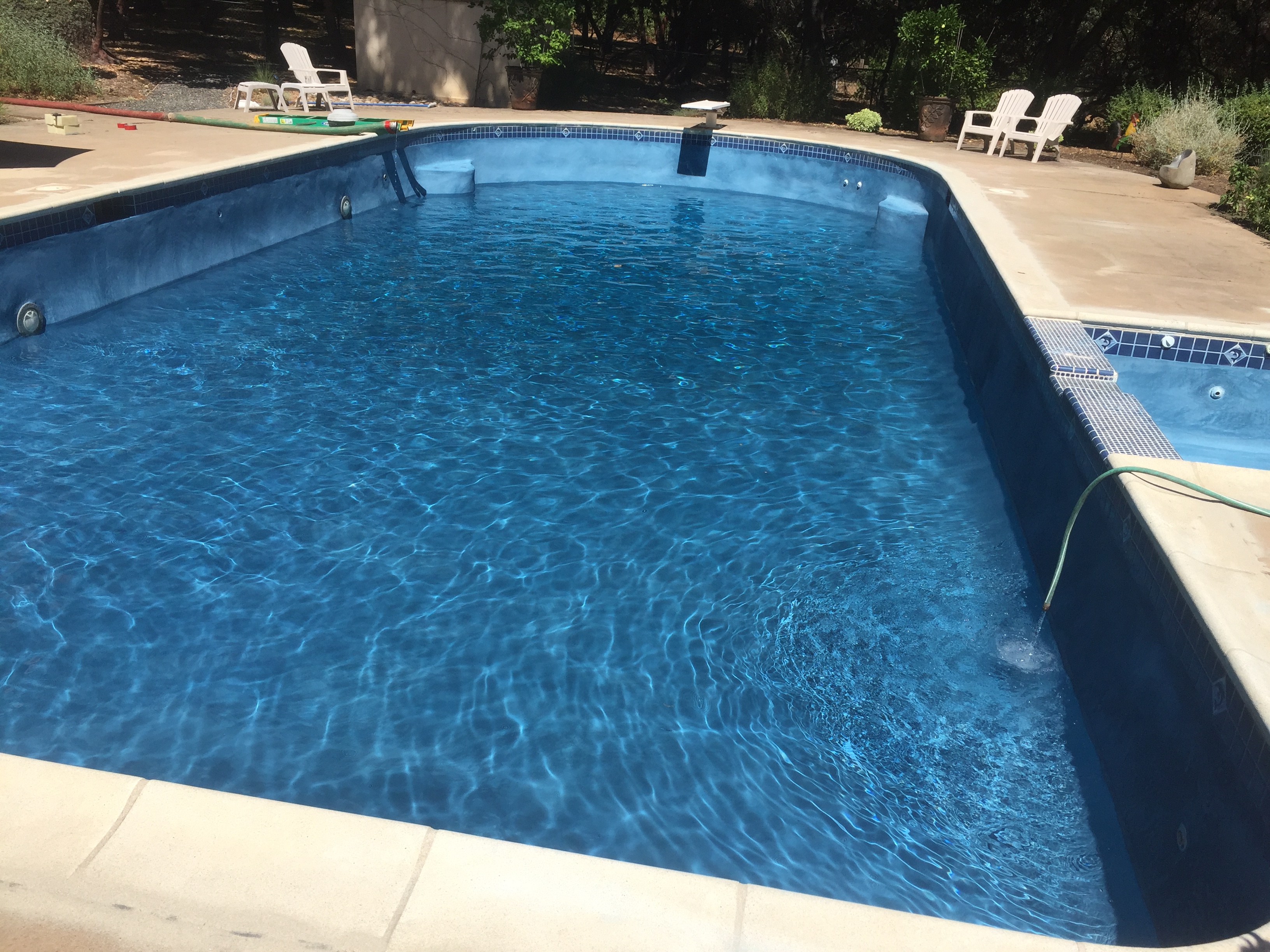
One of the first questions Sacramento homeowners ask when they're planning a pool resurfacing project is: how long will I be without my pool? The honest answer is that pool resurfacing typically takes 5 to 10 days from the moment the pool is drained to when you can swim again — though the exact timeline depends on several factors unique to your project.
Understanding the process helps you plan ahead, especially if you have kids home for summer or regularly use your pool for exercise. This guide breaks down the resurfacing timeline day by day so you know exactly what to expect.
Sacramento Climate Factor
Sacramento's hot, dry summers affect how plaster cures. In peak summer heat (over 95°F), crews may start earlier in the morning and adjust their mixing to account for faster evaporation. Spring and fall typically offer ideal curing conditions, which can slightly shorten the overall timeline.
The Short Answer: 5–10 Days Total
Here's the high-level breakdown for a standard residential pool resurfacing project in Sacramento:
- Day 1: Draining the pool (4–8 hours)
- Day 1–2: Surface preparation — chipping, pressure washing, acid wash
- Day 2–3: Any shell repairs, bond coat application
- Day 3–4: Plaster application (the actual resurfacing)
- Day 4–7: Refill (takes 24–48 hours depending on pool size and water pressure)
- Day 5–10: Startup chemistry and cure period before swimming
Most projects land around 7–8 days total. Smaller pools with minimal prep work can finish faster; pools that need significant shell repairs or have extra surface area (pool + spa combinations) will take longer.
Day-by-Day Process
-
1
Day 1 — Draining & Initial Inspection
The crew arrives to drain your pool completely. For an average-sized residential pool (15,000–20,000 gallons), this takes roughly 6–10 hours. While the pool drains, the crew does a close inspection of the shell, noting any cracks, hollow spots, or structural issues that need repair before new plaster goes down.
-
2
Day 1–2 — Surface Preparation
This is the most labor-intensive part of the project. The existing plaster surface must be roughed up to give the new plaster something to bond to. This involves chipping, grinding, and high-pressure washing. The goal is a clean, profiled substrate with no loose plaster, calcium deposits, or contamination. Any cracks discovered in the shell are repaired with hydraulic cement or epoxy injection at this stage.
-
3
Day 2–3 — Bond Coat & Pre-Plaster Work
A bonding agent is applied to the prepared shell. If tile work is being done concurrently — waterline tile replacement is very common during a resurfacing project — that work is completed and fully cured before plaster goes on. This is also when any fitting or light replacements are made.
-
4
Day 3–4 — Plaster Application
The actual plastering — the step most people picture when they think of resurfacing — is typically completed in a single day by a skilled crew. Plaster is mixed on-site and applied by hand in a continuous process. For aggregate finishes (quartz or pebble), the material is pressed into the wet plaster and then exposed via acid washing or water exposure after curing. The pool must not be exposed to standing water or foreign objects immediately after application.
-
5
Day 4–6 — Refill
Once the plaster has set enough to safely begin filling (usually 4–12 hours after application), refilling starts. A standard residential pool holds 15,000–20,000 gallons. At a typical fill rate of 10–15 gallons per minute from a garden hose connection, refilling takes 18–33 hours — so plan on 1.5 to 2 full days. It's critical to fill continuously without stopping, as pausing can leave a tideline on new plaster.
-
6
Day 6–10 — Startup Chemistry & Cure Period
Once full, the pool goes through a startup chemistry protocol — typically a 28-day NPC (National Plasterers Council) startup process or a similar method. The first phase requires brushing the pool 2–3 times daily for the first week and carefully balancing water chemistry. Your pool is typically ready to swim in after 7–10 days from the plaster application date, once water chemistry is stabilized.
What Can Extend the Timeline?
Several factors can add days to your resurfacing project:
- Shell repairs — Significant structural cracks, hollow spots, or plumbing issues discovered after draining can add 1–3 days while repairs cure properly before plastering proceeds.
- Tile and coping work — If you're replacing waterline tile, coping, or both simultaneously with the resurfacing, the tile must fully set before plaster goes on. This can add 1–2 days.
- Pool size and complexity — Very large pools (30,000+ gallons), pool/spa combinations, or pools with complex geometry take longer at every stage.
- Weather conditions — Extreme heat can require modified mixing schedules. Rain delays are rare in Sacramento but do occasionally occur in winter/spring months.
- Water fill rate — If you don't have access to a fast fill rate (less than 10 gallons per minute), refilling takes longer.
Don't Rush the Cure Period
The 7–10 day wait before swimming isn't arbitrary — it allows the plaster to properly carbonate and harden. Swimming too early, especially with sunscreen and body oils, can permanently stain new plaster. Follow your contractor's startup instructions carefully.
Planning Your Sacramento Resurfacing Project
The best time to resurface a Sacramento pool is October through March. During these cooler months, plaster cures more slowly and evenly, reducing the risk of rapid drying defects. You're also likely to get better contractor availability and sometimes better pricing compared to the busy spring/summer season.
If you're resurfacing in summer — which many homeowners do — the main consideration is planning around your family's pool use. Starting the week after Labor Day or Memorial Day keeps you out of the pool during the hottest peak use period. Most families find the 8–10 day outage manageable with some advance planning.
Looking for detailed cost information alongside the timeline? See our Sacramento pool resurfacing cost guide for 2026 pricing by finish type. If you're considering a broader remodel at the same time, our pool design and remodel page outlines what's possible when the pool is drained.
Ready to Schedule Your Pool Resurfacing?
Phenomenal Pool & Landscape holds the C-53 (Swimming Pool) license — the California license that covers pool plastering and all interior finishing work. We also hold C35 and C27 for a complete triple-license under CA #1109912. We resurface pools throughout Sacramento, Roseville, Granite Bay, Folsom, and surrounding communities. Get a free estimate and we'll walk you through the full timeline for your specific project.
The Bottom Line
Pool resurfacing in Sacramento takes 5–10 days from drain to swim-ready. The plaster application itself is just one day — most of the time is spent on prep, tile work, refilling, and the chemical startup process. Plan your project during cooler months for best results, and don't rush the cure period. A properly cured plaster surface will last 15–20 years with good water chemistry maintenance.
If you have questions about the process or want to know what to expect for your specific pool, contact the team at Phenomenal Pool & Landscape. We're happy to walk you through the process and provide a free estimate.